 1 of 1
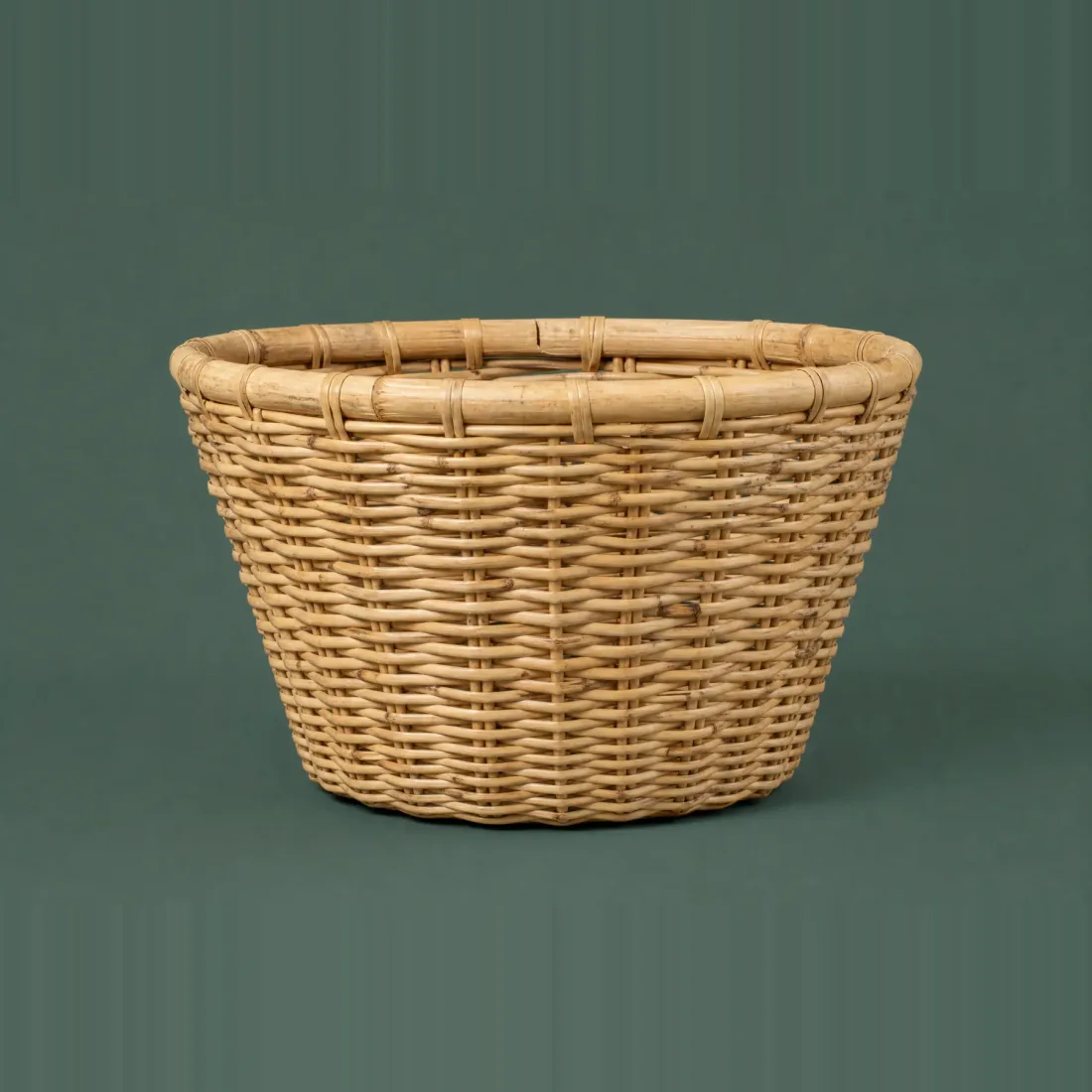
ON-A-01 · Rattan · plant fibre · 1 of 1
This
one.
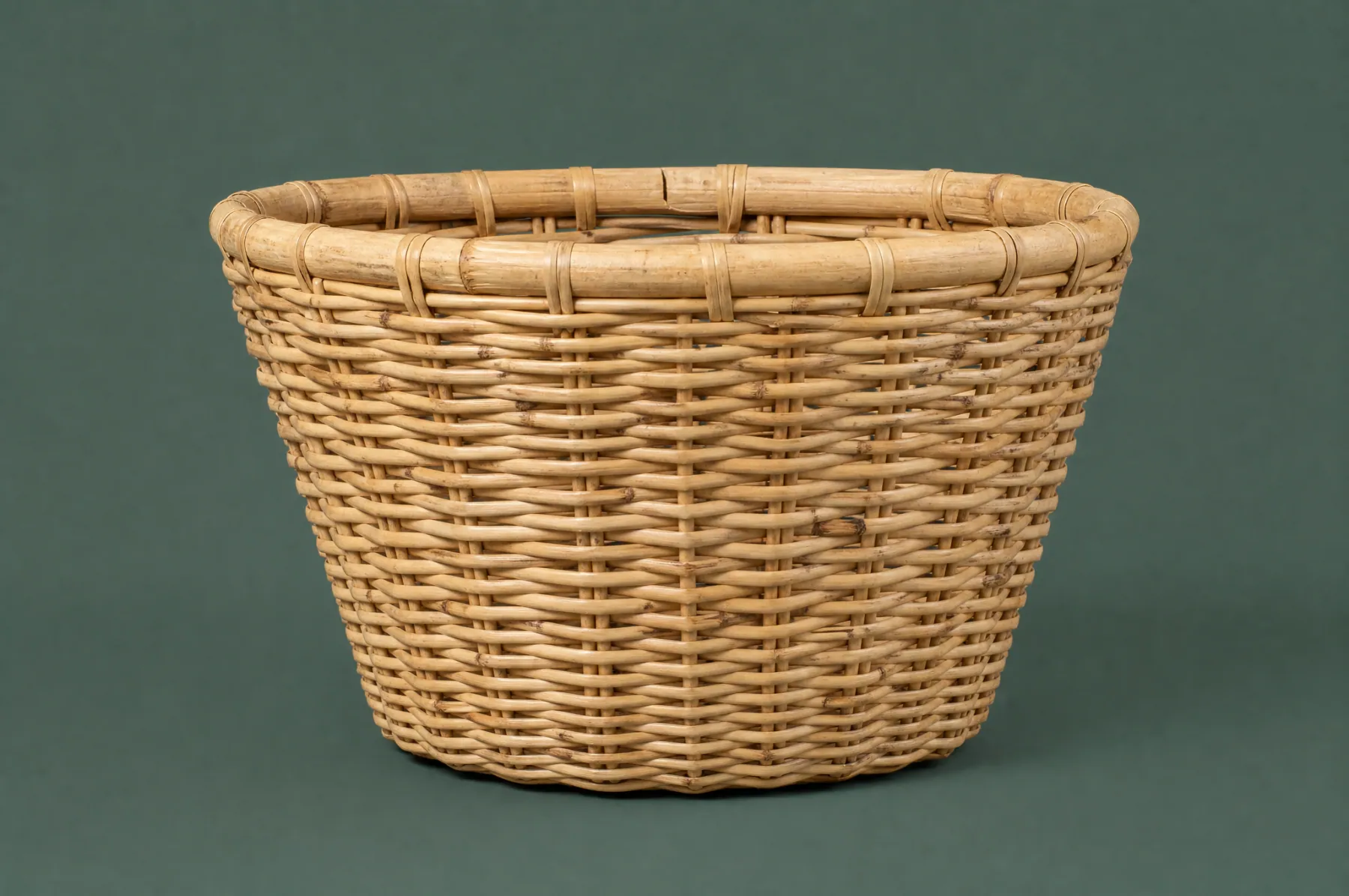
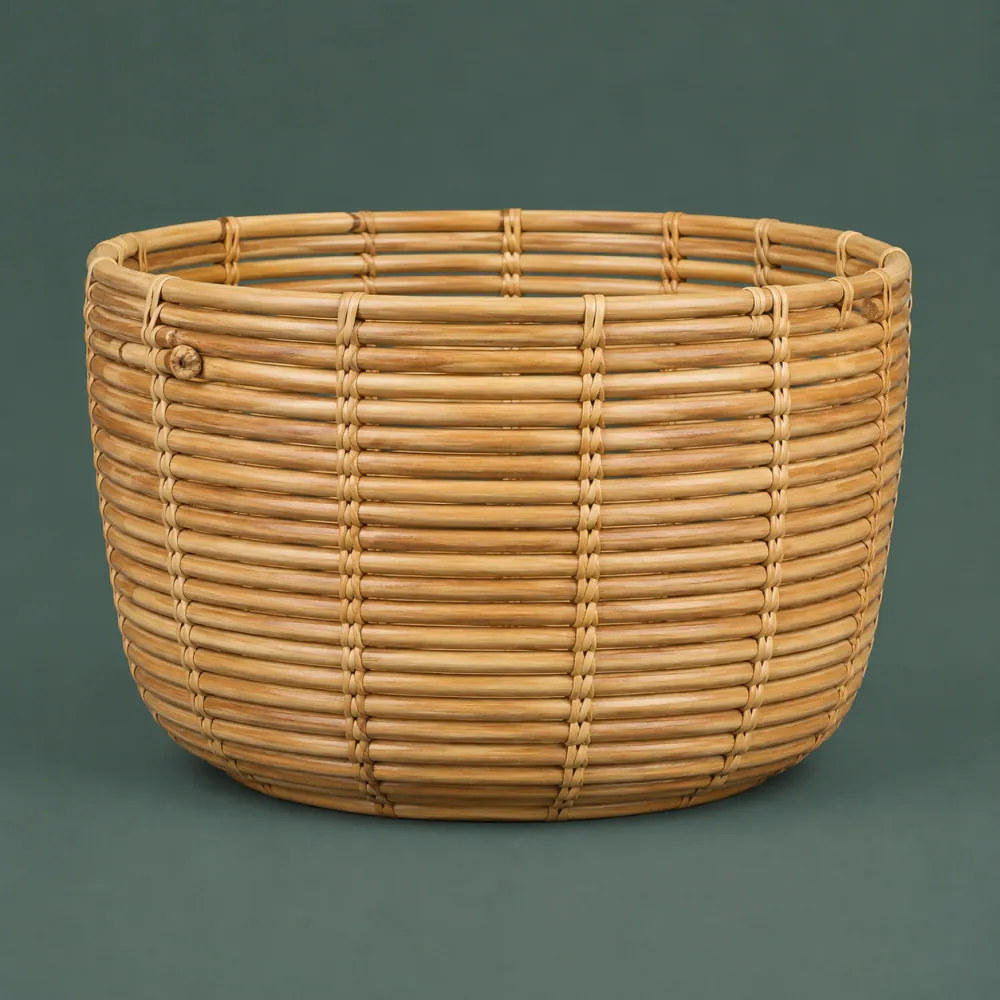
Not this model. This piece. It came out 4 mm wider than the drawing it was made from, and there is no other one like it.
Every piece on this site is one piece. The photograph is of that piece. We measure it at three points, print the difference, and when it sells it is gone.
ON-A-01Rattanplant fibre284 / 220 / 178 mm11 h at the weavecarries 6 kgweaver W-031 of 1USD $128
The same thing, as numbers
The drawing above is a picture of the difference. This is the difference. It is here because the important part of this site should not live only inside a graphic.
How we measure →| Point | Drawing | This piece | Difference |
|---|---|---|---|
| Mouth diameter (widest point) | 280 | 284 | +4 mm |
| Height (excluding handle) | 220 | 220 | 0 |
| Base diameter | 175 | 178 | +3 mm |
What else is on this one
A 6 mm split runs down the second rim stake to the right of the closing point. A single strand end stands proud inside the base, roughly 30 mm from the centre.
The upper third is one shade warmer than the base — two cane bundles from the same delivery, cut on different days.
The two things this shop puts at the front
01
Every piece is
different, so we
print the difference
The usual way to sell hand-woven work is to photograph the best one and add a line at the bottom saying no two are alike. That line is doing the work of a disclaimer: you see one object and receive another.
We do it the other way round. Each piece is measured at three points with a digital calliper, forty-eight hours after the weaving is finished, at 22 °C and 50–60% relative humidity. The figures go on the page next to the photograph of that piece.
A piece 4 mm off the drawing costs the same as one that is dead on it. The deviation is the piece’s identity, not its grade.
Read the method →02
Rattan, bamboo
and willow are
plant products
Which means a border agency can hold them, treat them at your expense, or destroy them. Australia does not accept untreated woven plant material. New Zealand runs a specific import health standard for bamboo, cane, willow and rattan. The United States treats woven baskets as wooden handicraft requiring quarantine treatment.
Most shops in this trade say nothing at all and let the parcel find out. So the first filter on our shelf is not colour and not price. It is where you are.
Pick a country and the pieces we will not send there go grey, with the reason written on the card and a processed-fibre alternative beside it. We never take them off the page — leaving something out is its own kind of misleading.
Country by country →Two classes,
two sets of borders
Every piece on this site belongs to one of two classes, and the class decides where it can go. Nothing else on the page changes because of it — a plant-fibre piece is not priced higher for the paperwork it needs.
- Plant fibre — 38 pieces
- Rattan, bamboo, willow, rush, sedge, seagrass, water hyacinth. Raw or lightly worked plant material. Not sent to Australia or New Zealand. Sent to the EU, the UK, the US and Canada with a phytosanitary certificate.
- Processed fibre — 34 pieces
- Cotton cord, paper cord, recycled fibre cord. Spun, pulped or respun, so no plant structure survives. These go everywhere we ship.
Your choice stays in this browser session and travels with an order so we can ship it. It is not written into a profile and is not used to train a recommendation.
Every one of the six shapes has processed-fibre pieces in it, so no destination sees a whole category go dark.
The shelf
Which one,
not which model
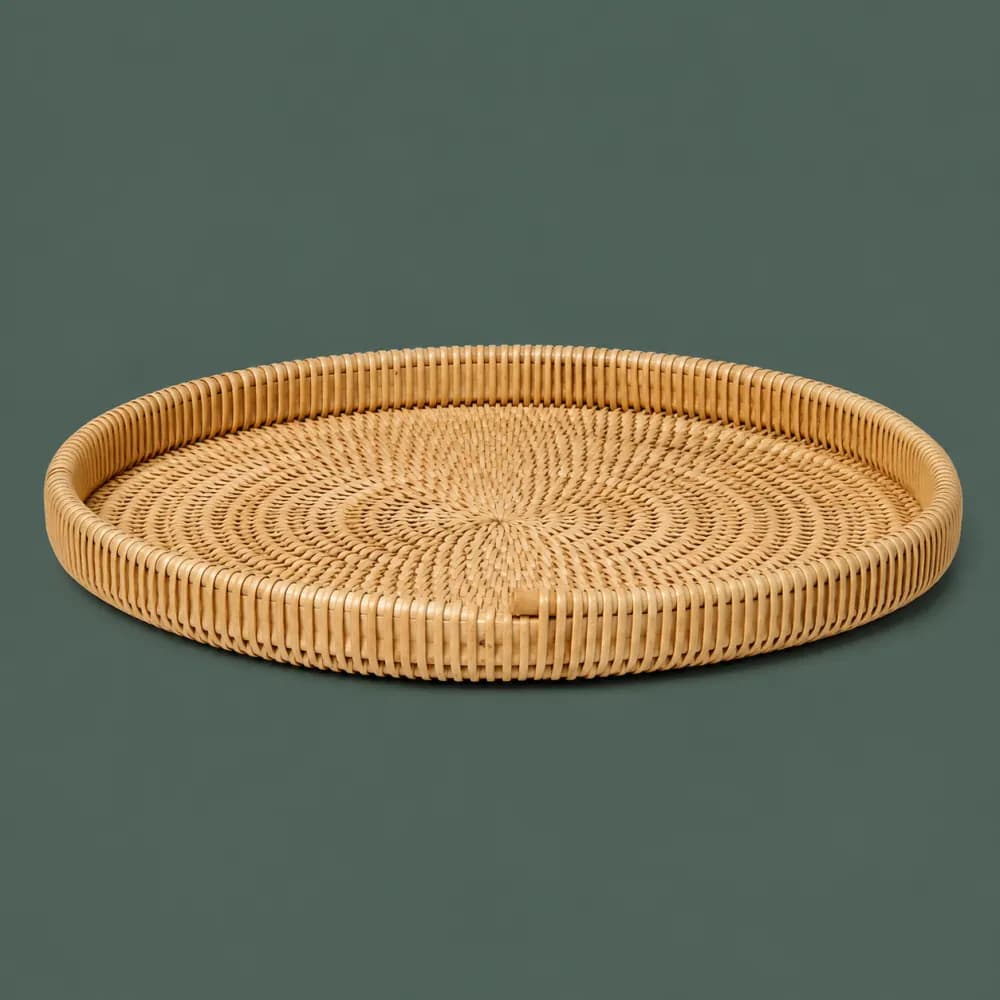
Showing all 72 pieces. Pick a destination and we will mark the ones we cannot send there — we grey them out rather than hide them.
1 of 1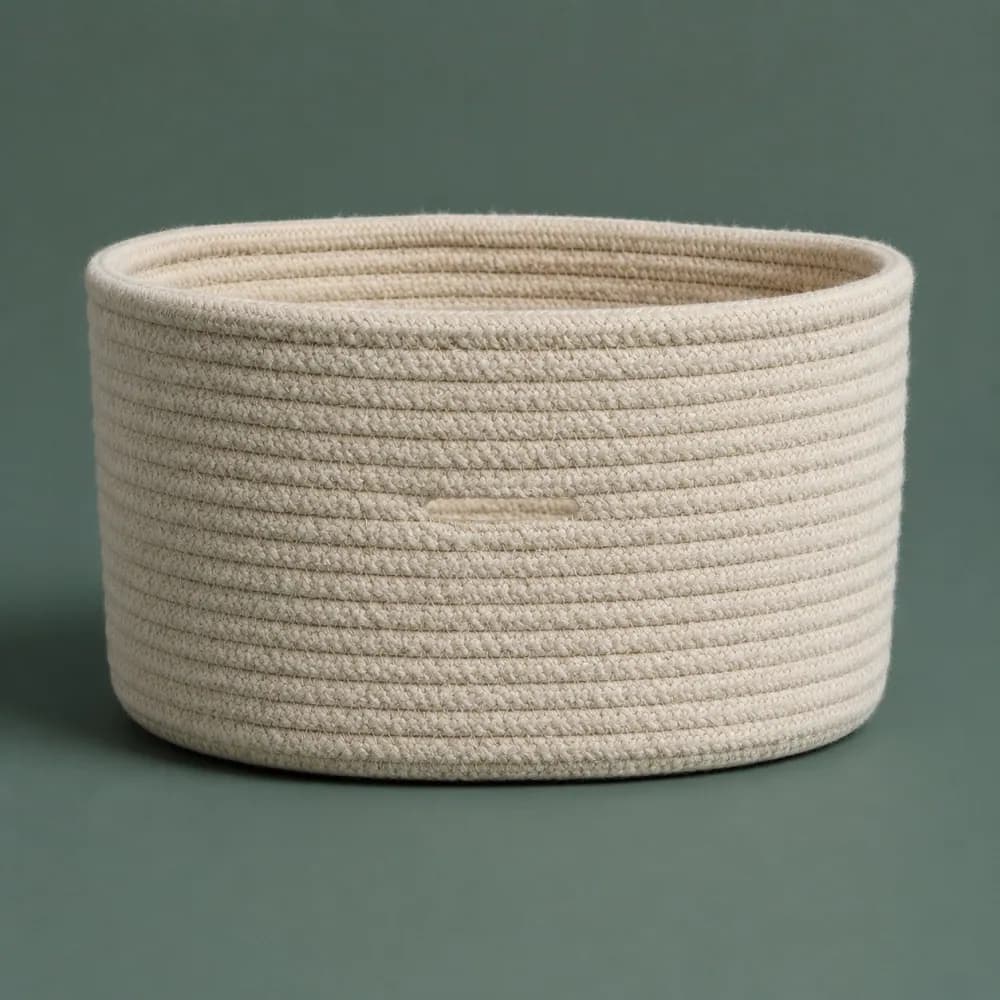 1 of 1
 1 of 1
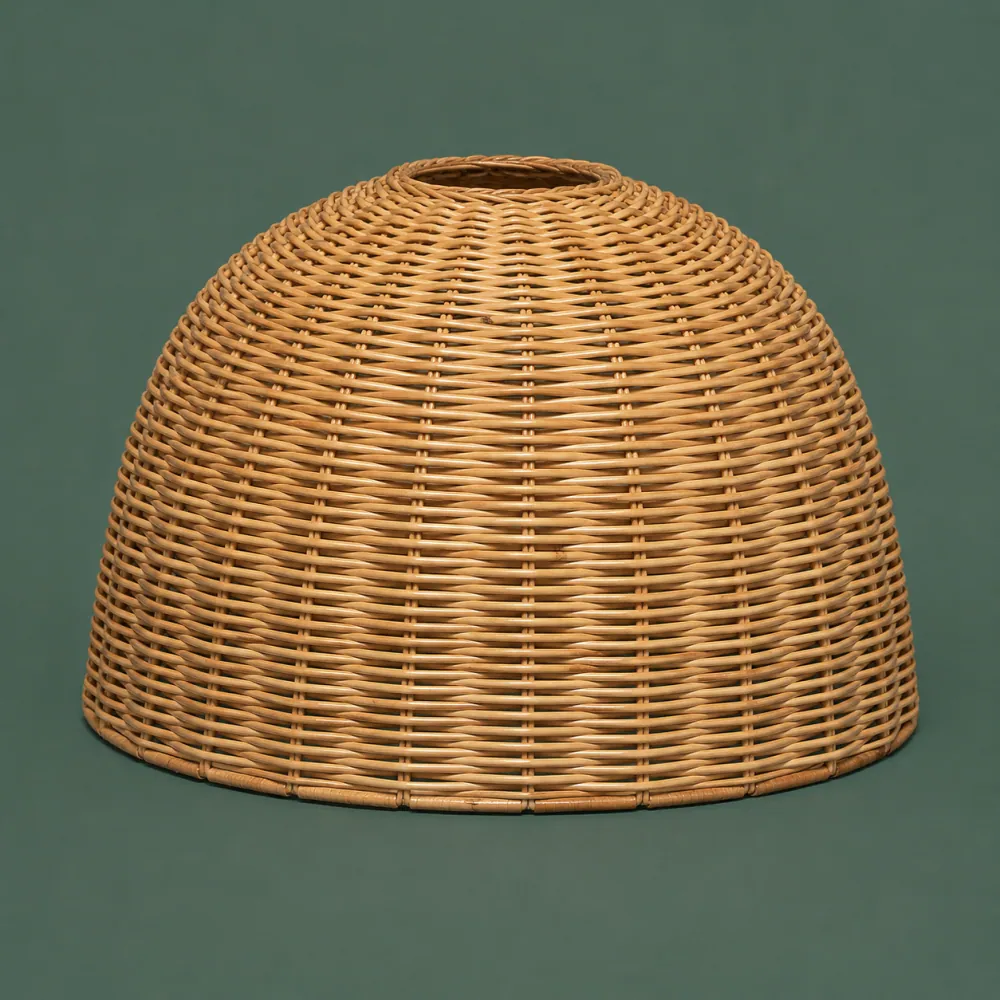 1 of 1
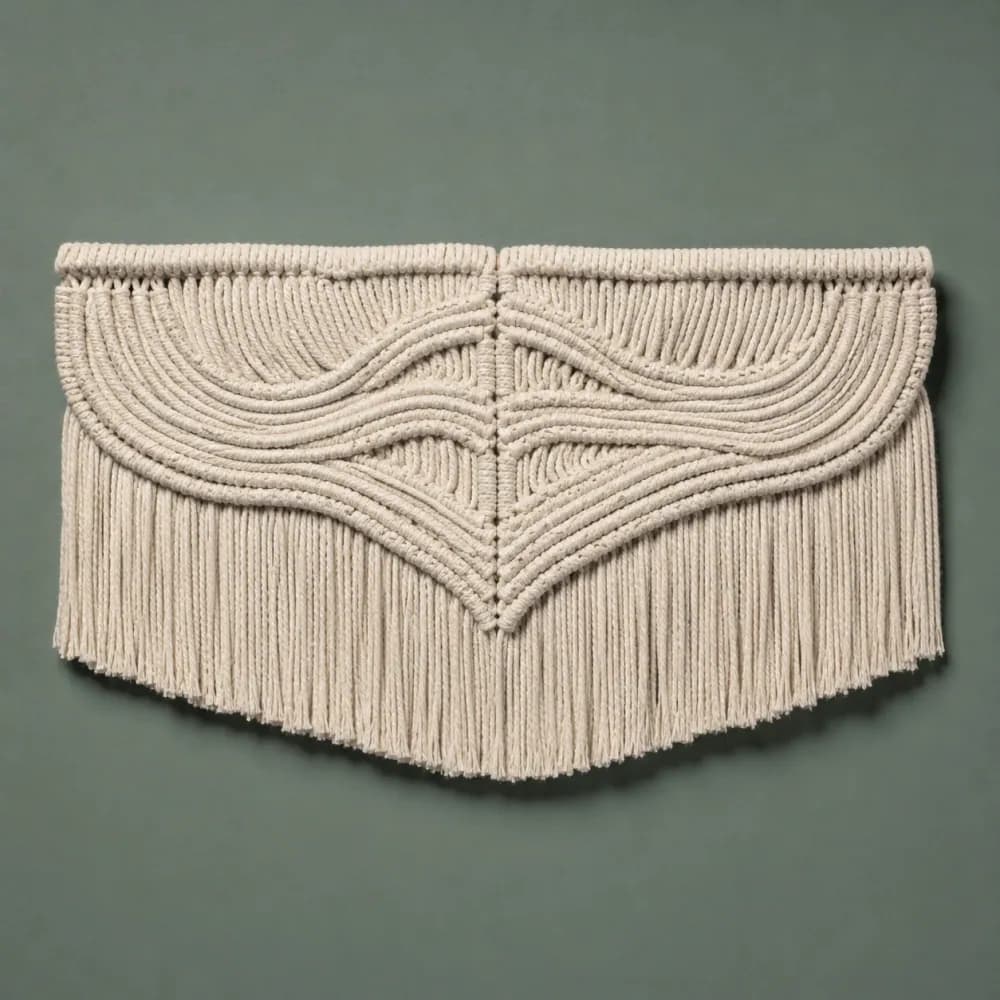 1 of 1
ON-D-05processed fibre
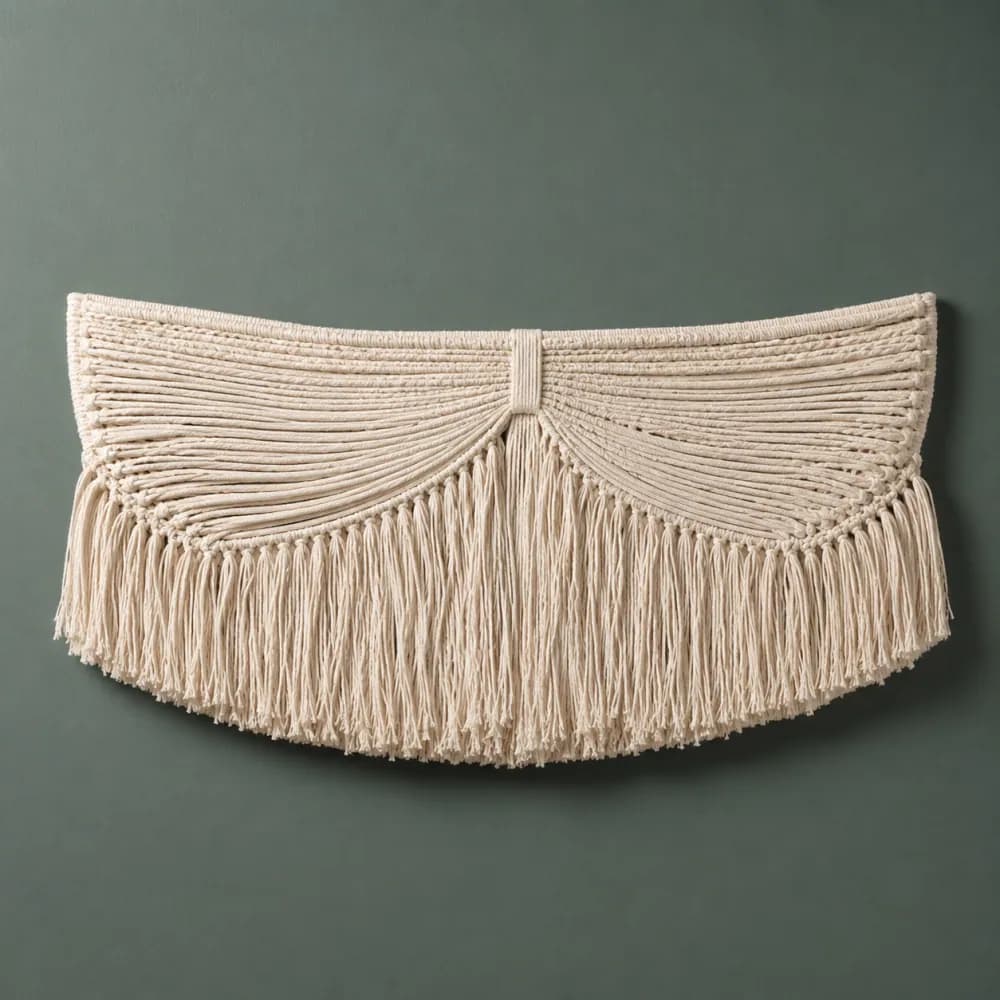
Macramé Hanging 900
Cotton cord
+14 mm on length (rail to lowest fringe)
USD $232
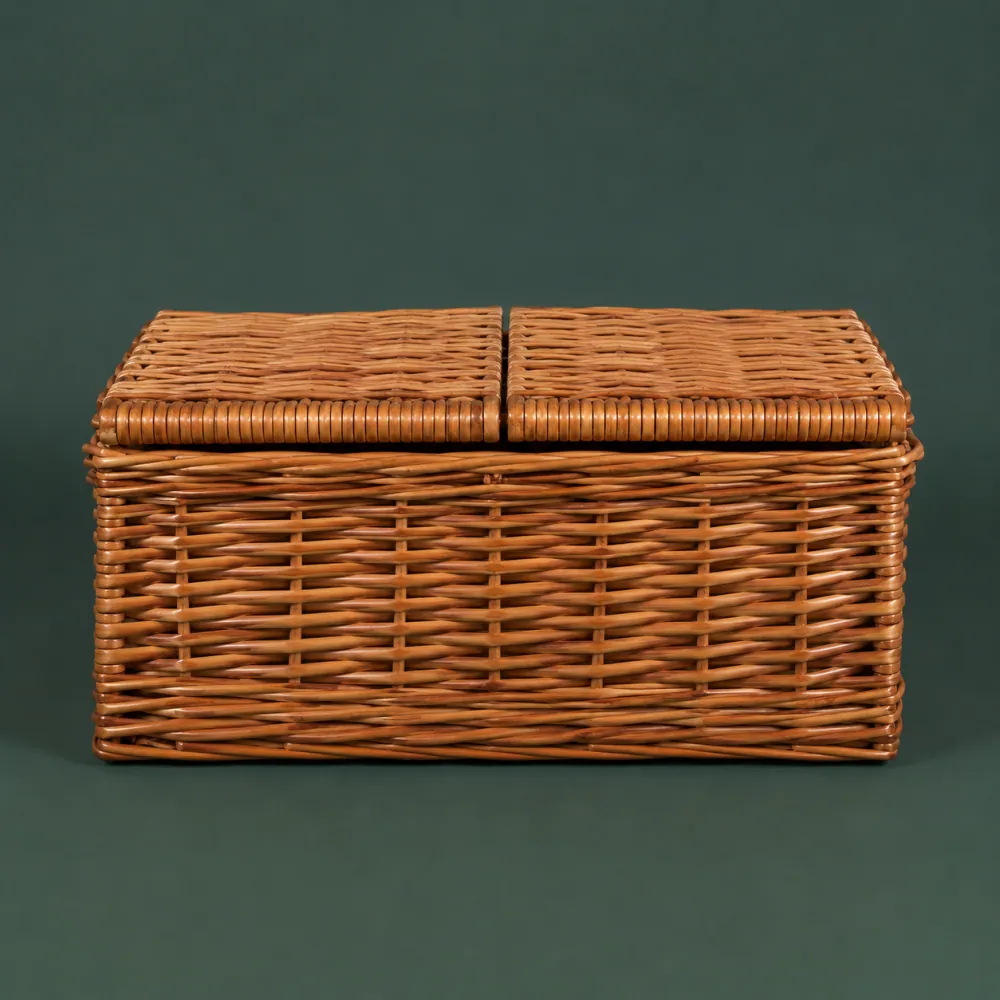 1 of 1
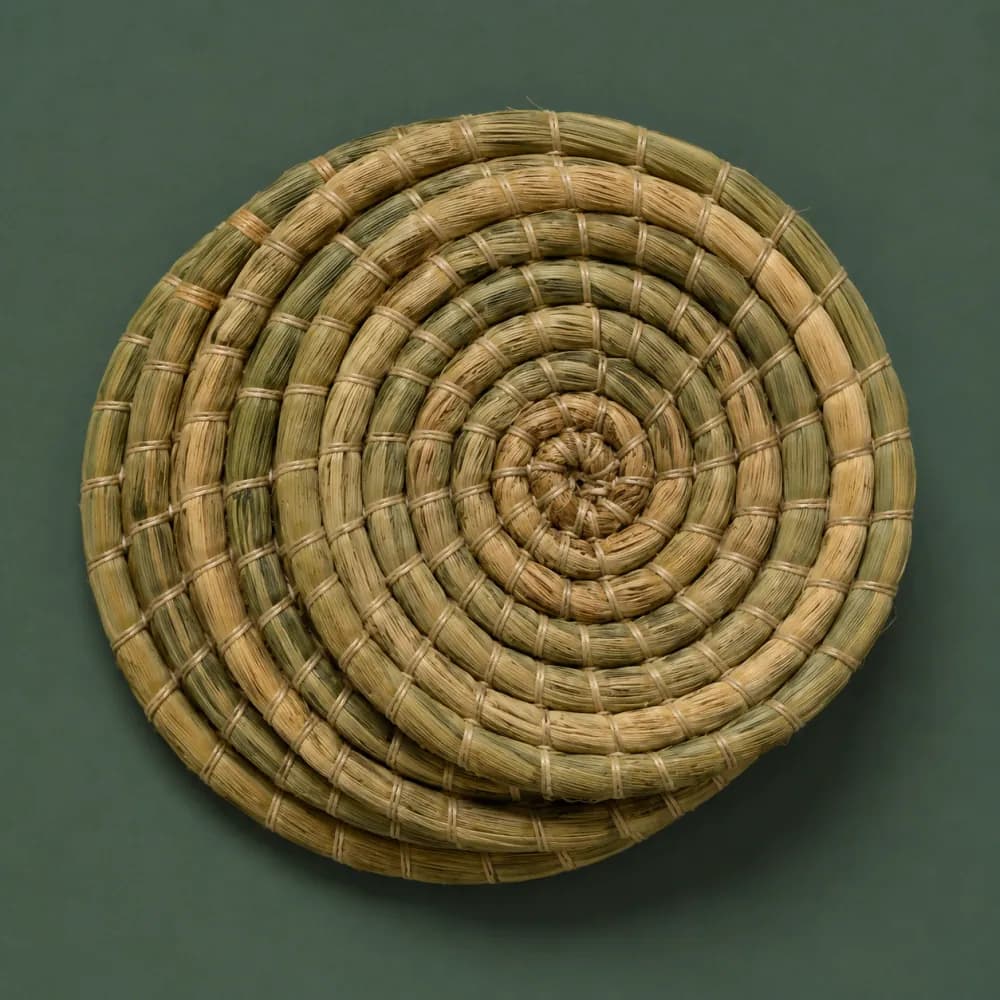 1 of 1
 1 of 1
 1 of 1
 1 of 1
 1 of 1
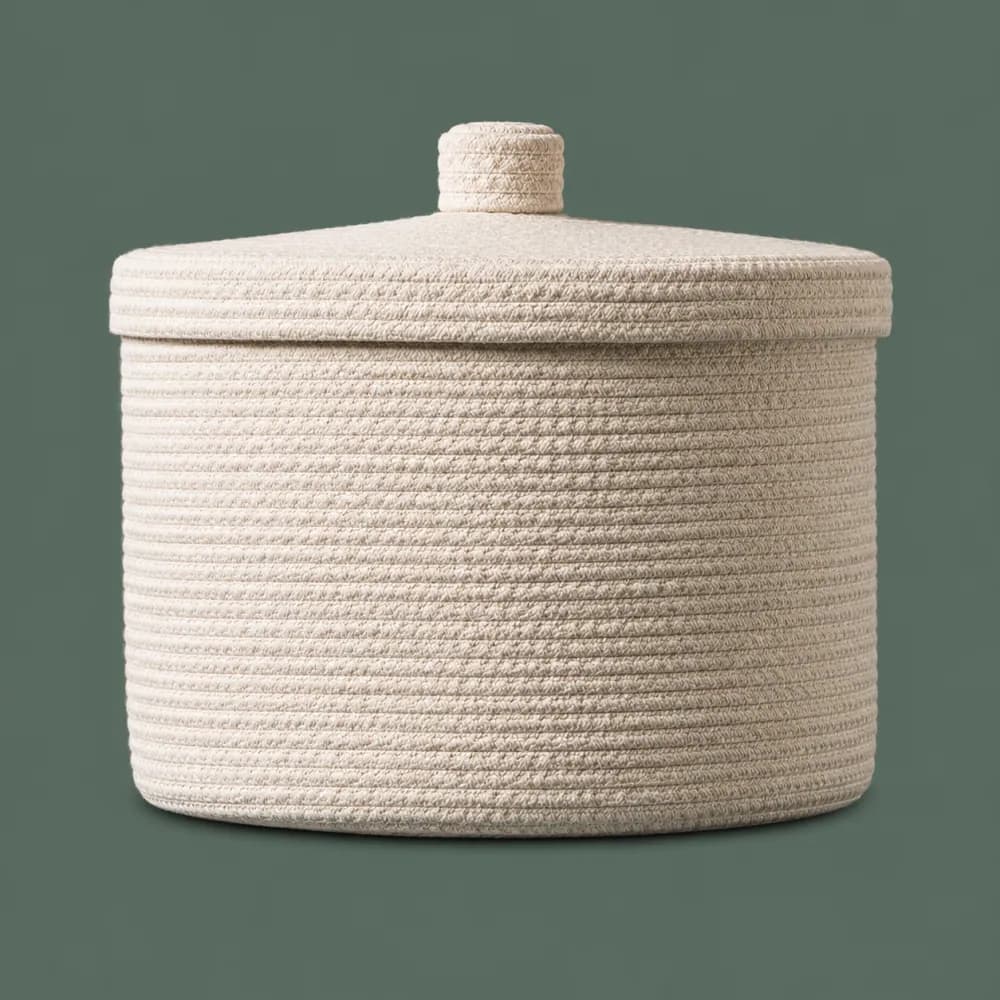 1 of 1
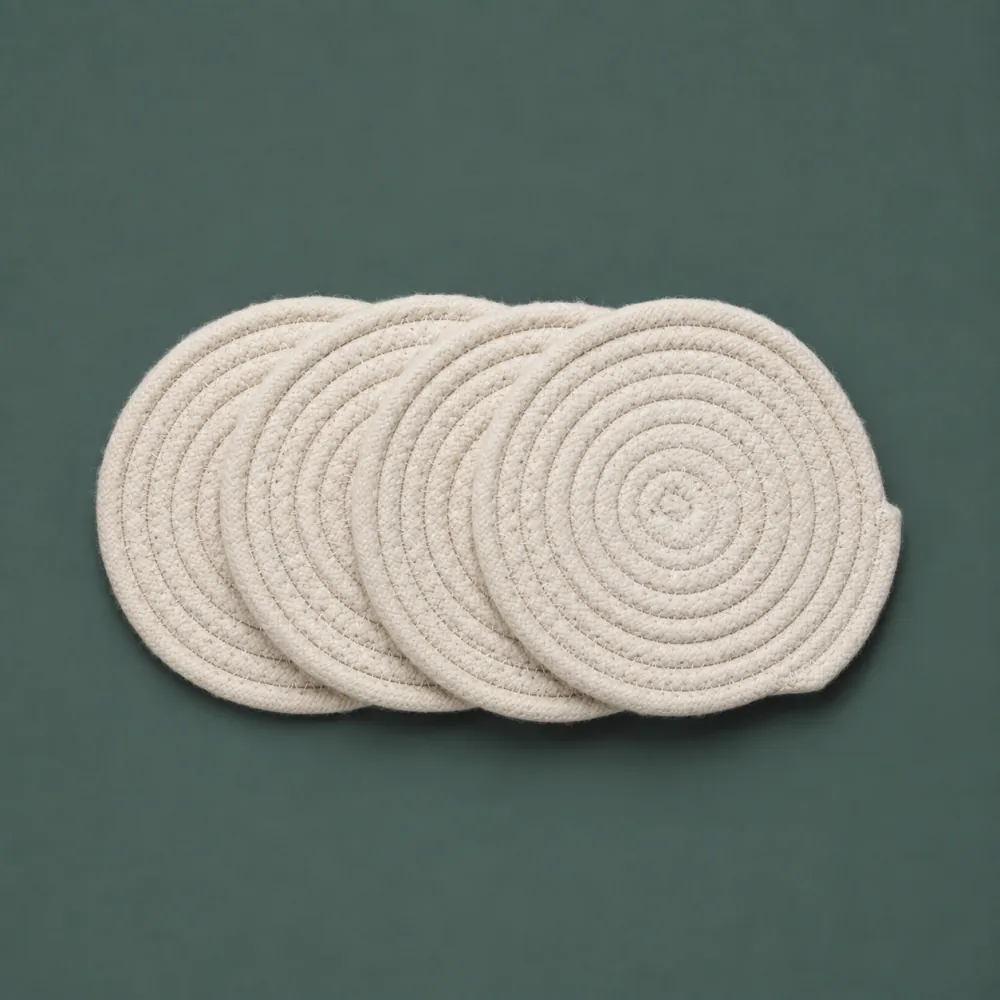 1 of 1
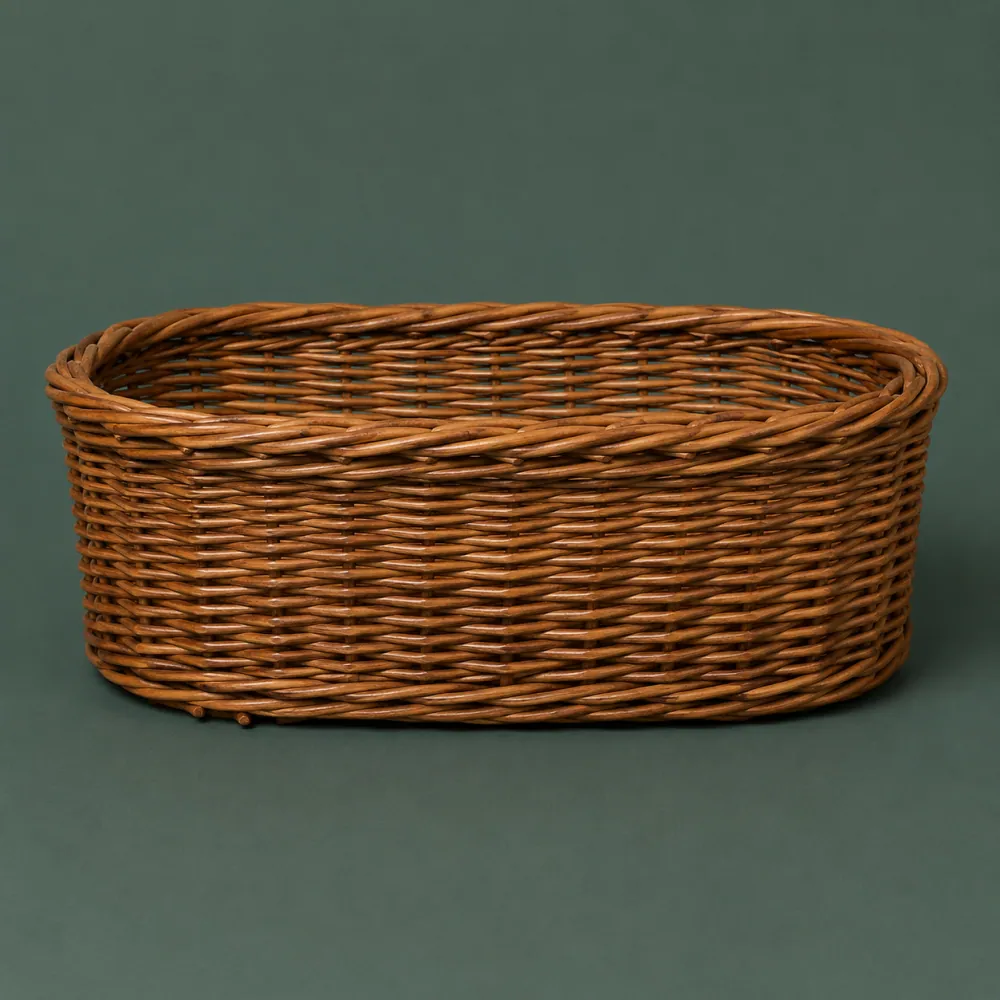 1 of 1
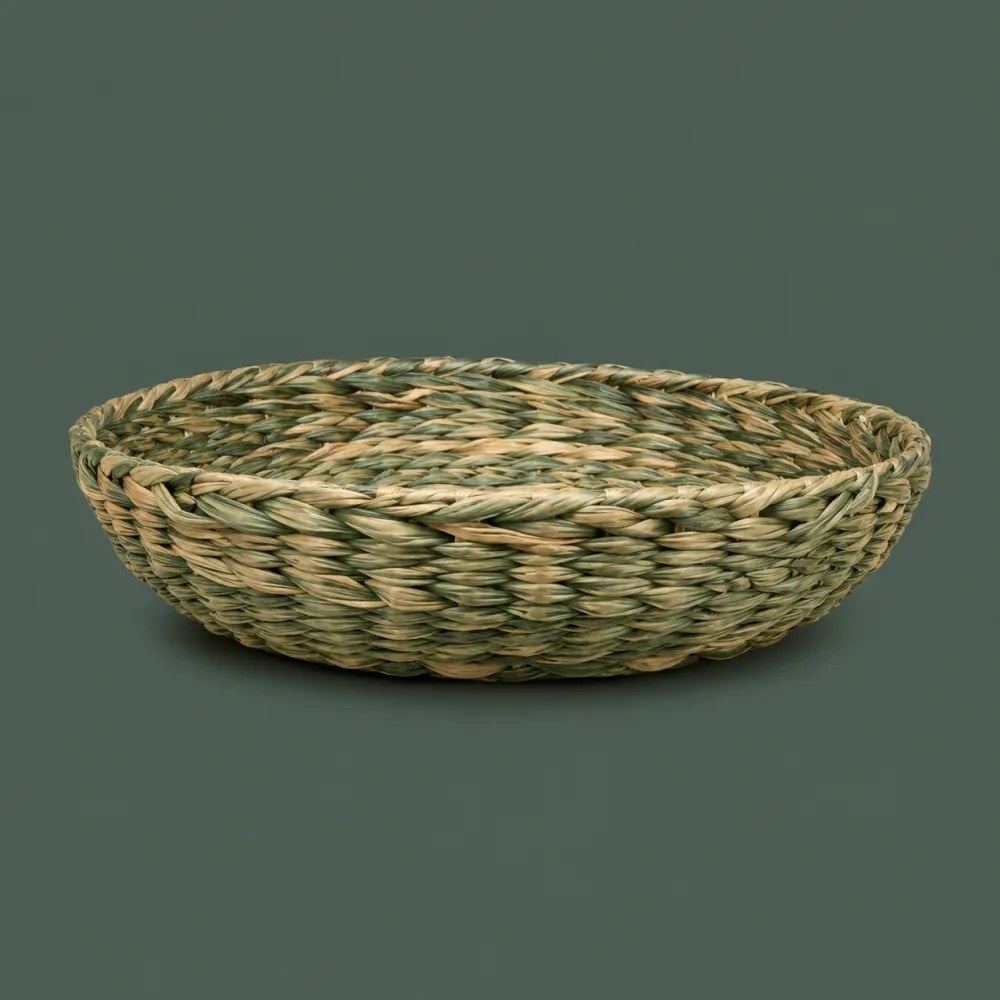 1 of 1
 1 of 1
 1 of 1
ON-D-07processed fibre
Macramé Hanging 1400
Cotton cord
+19 mm on length (rail to lowest fringe)
USD $386
 1 of 1
 1 of 1
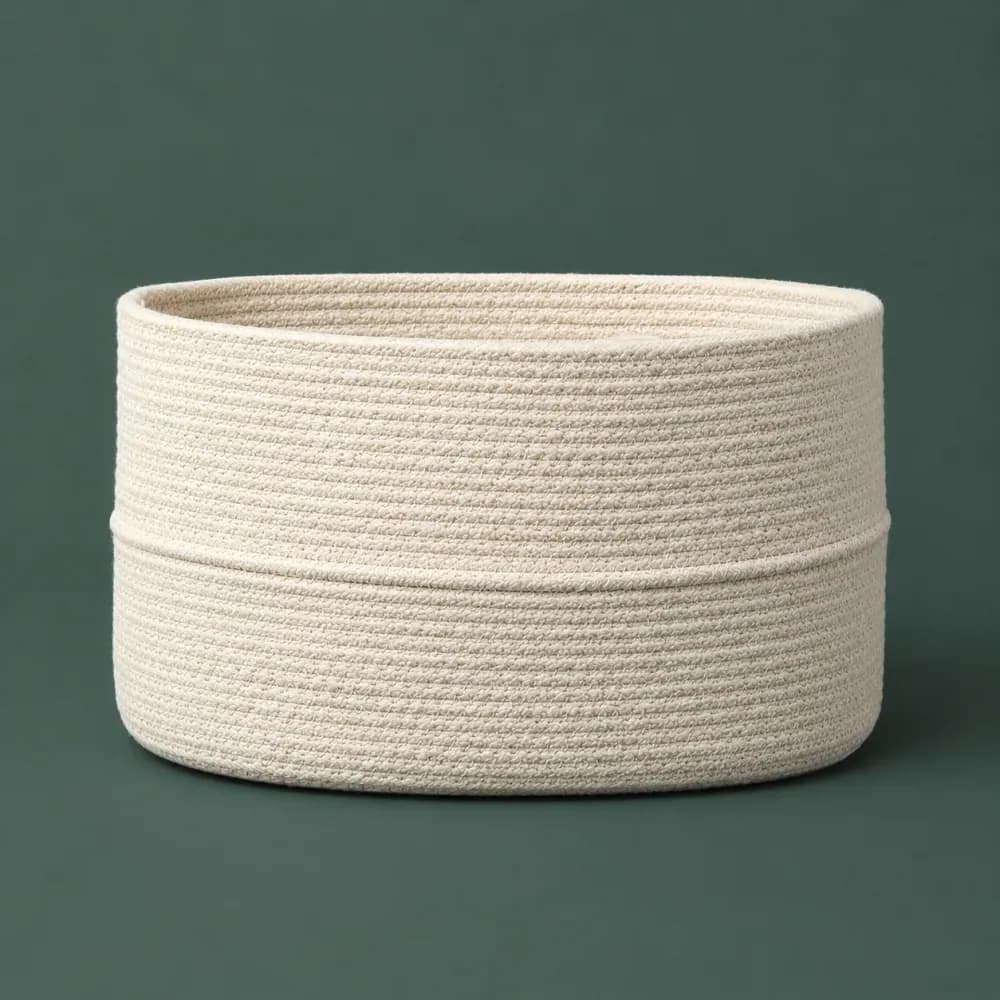 1 of 1
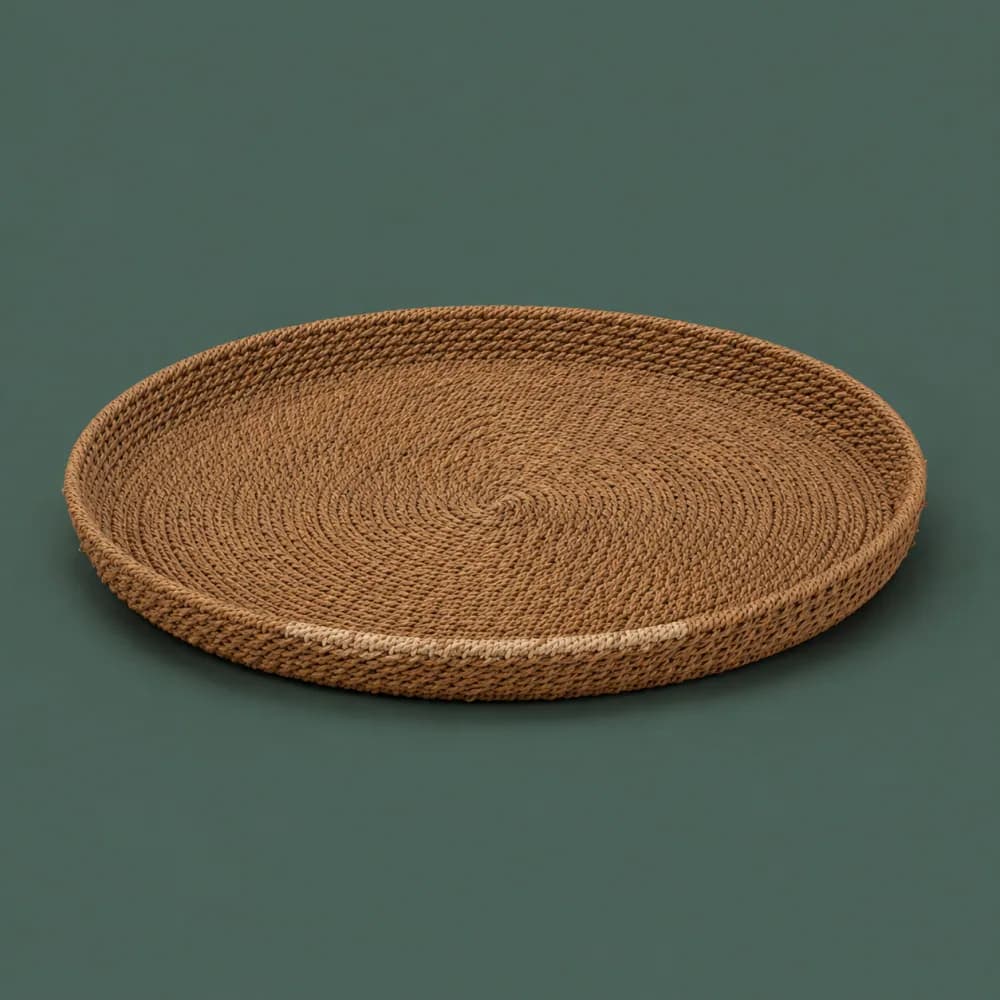 1 of 1
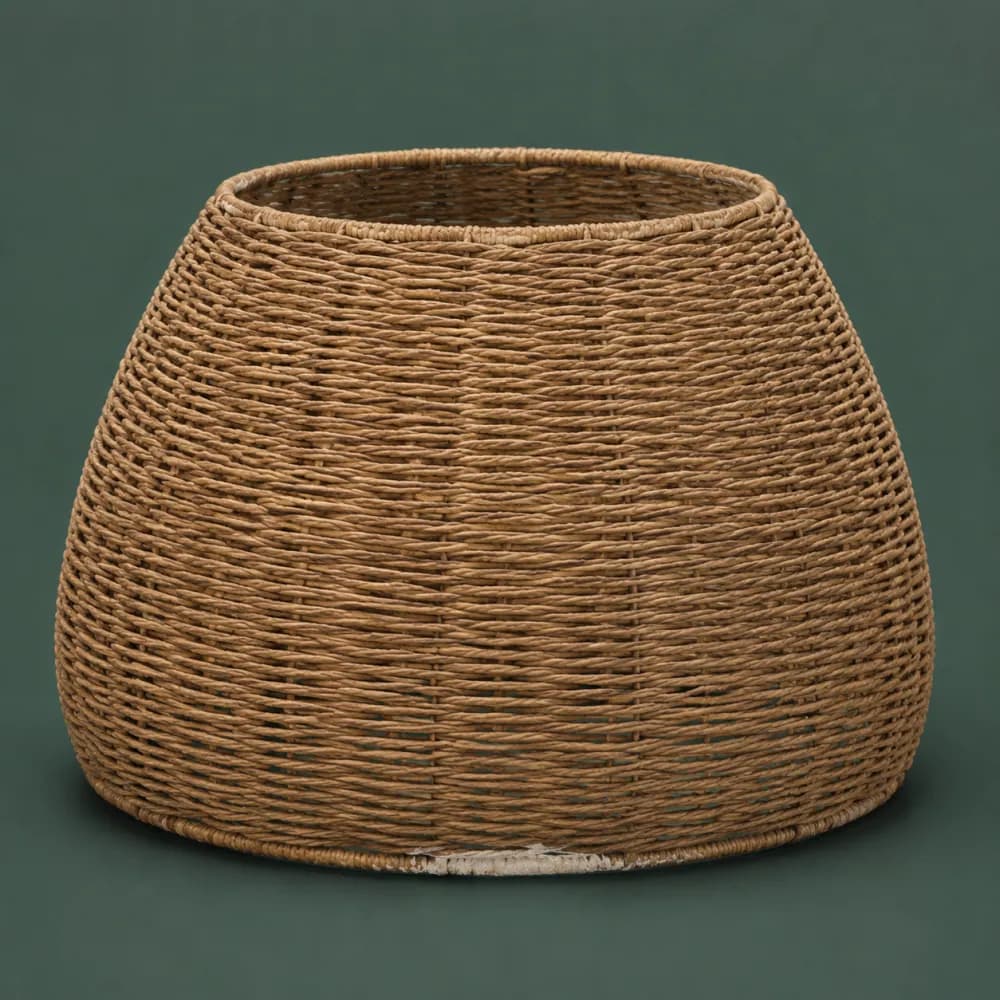 1 of 1
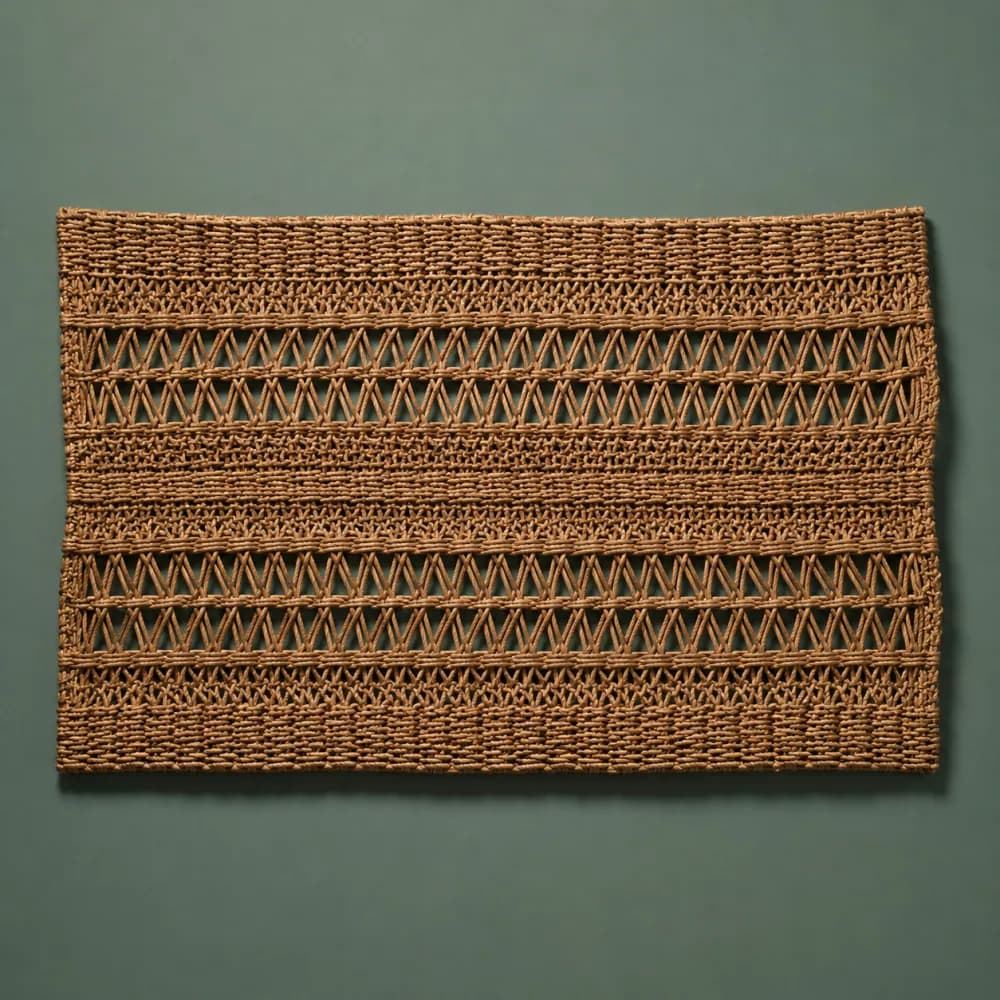 1 of 1
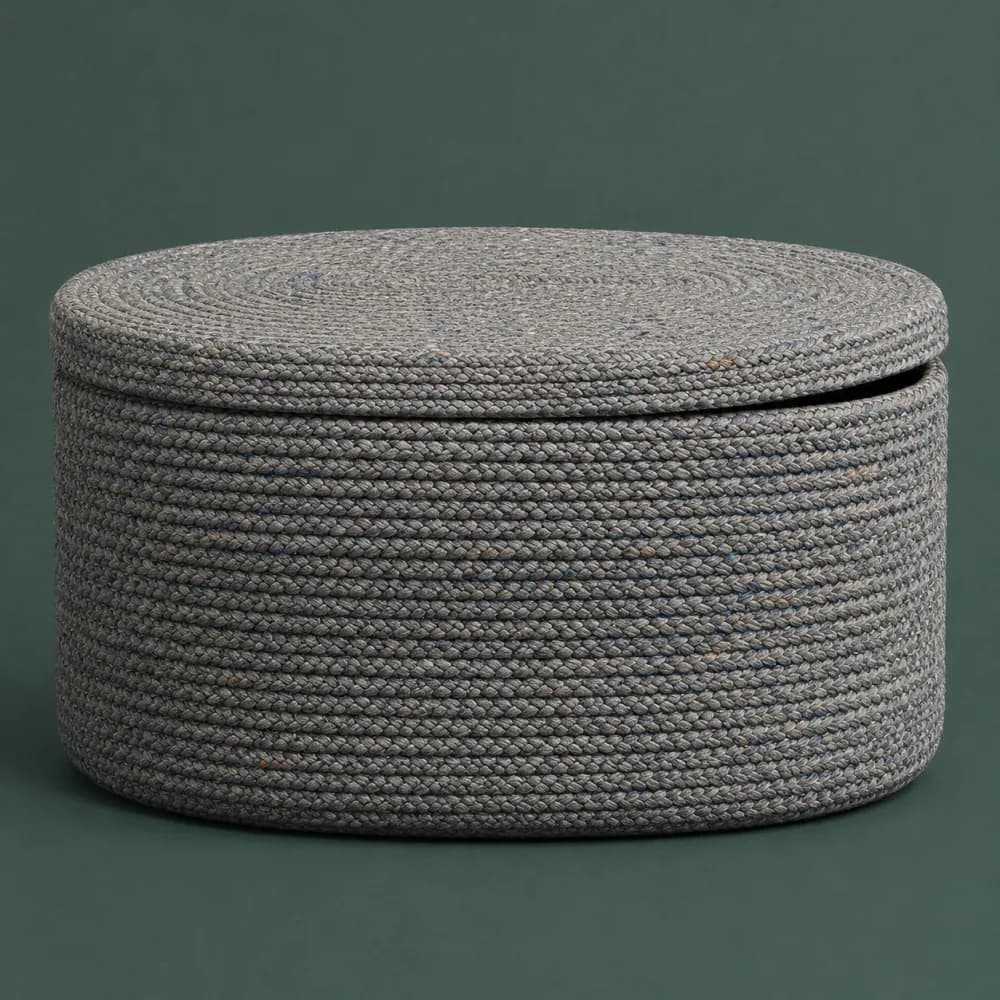 1 of 1
ON-E-10processed fibre
Recycled Cord Hamper 500
Recycled fibre cord
−13 mm on mouth diameter (widest point)
USD $580
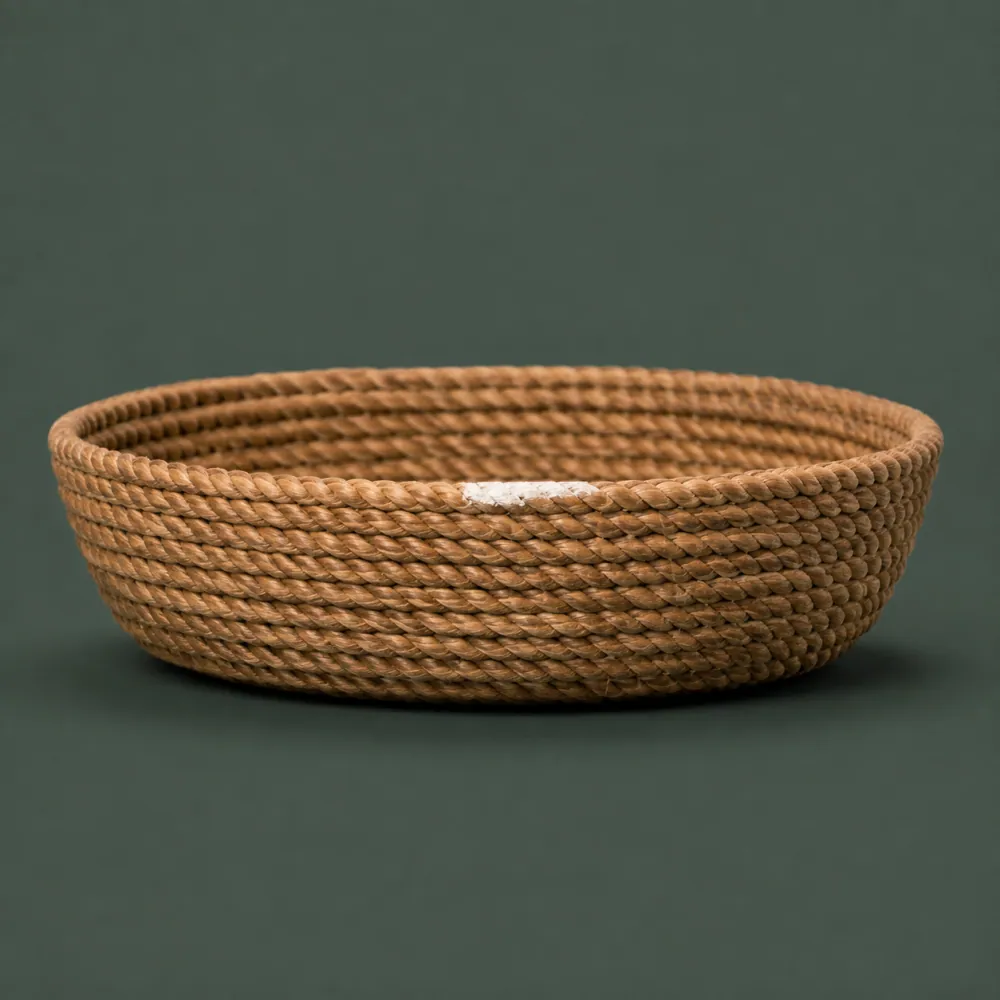 1 of 1
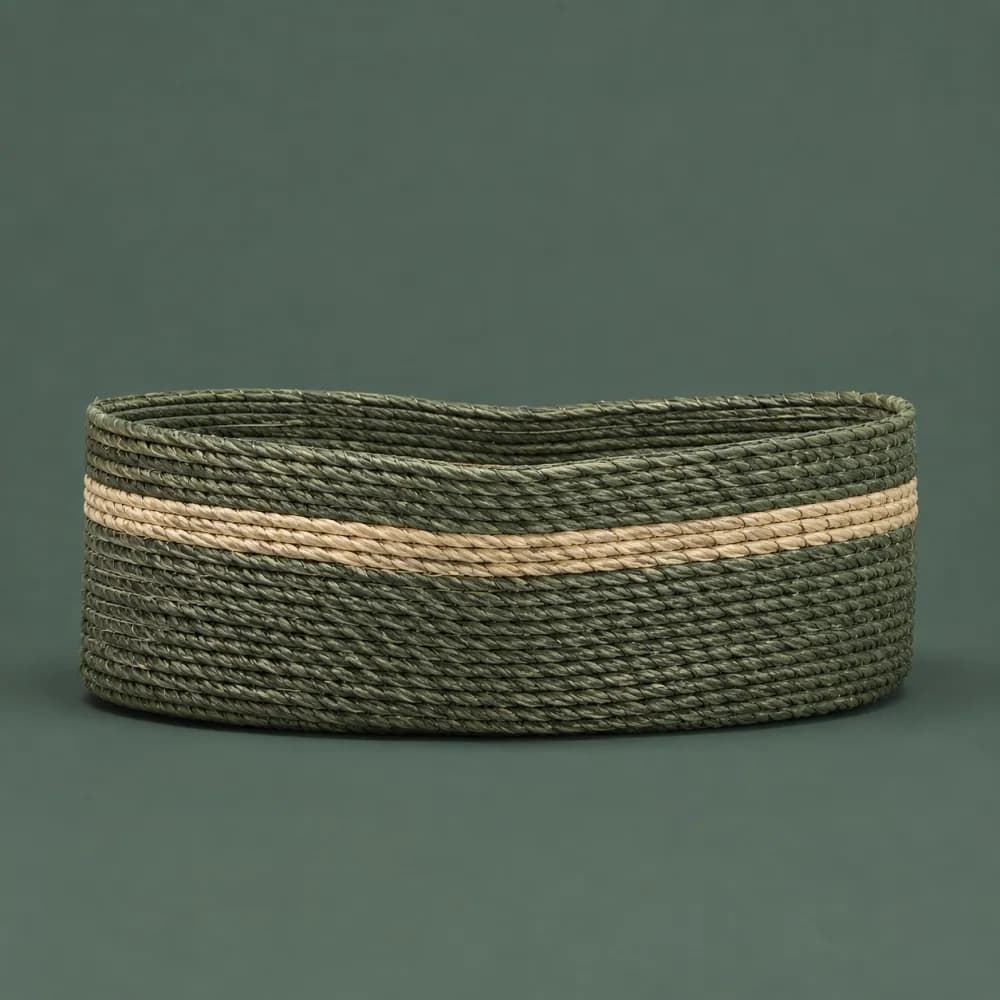 1 of 1
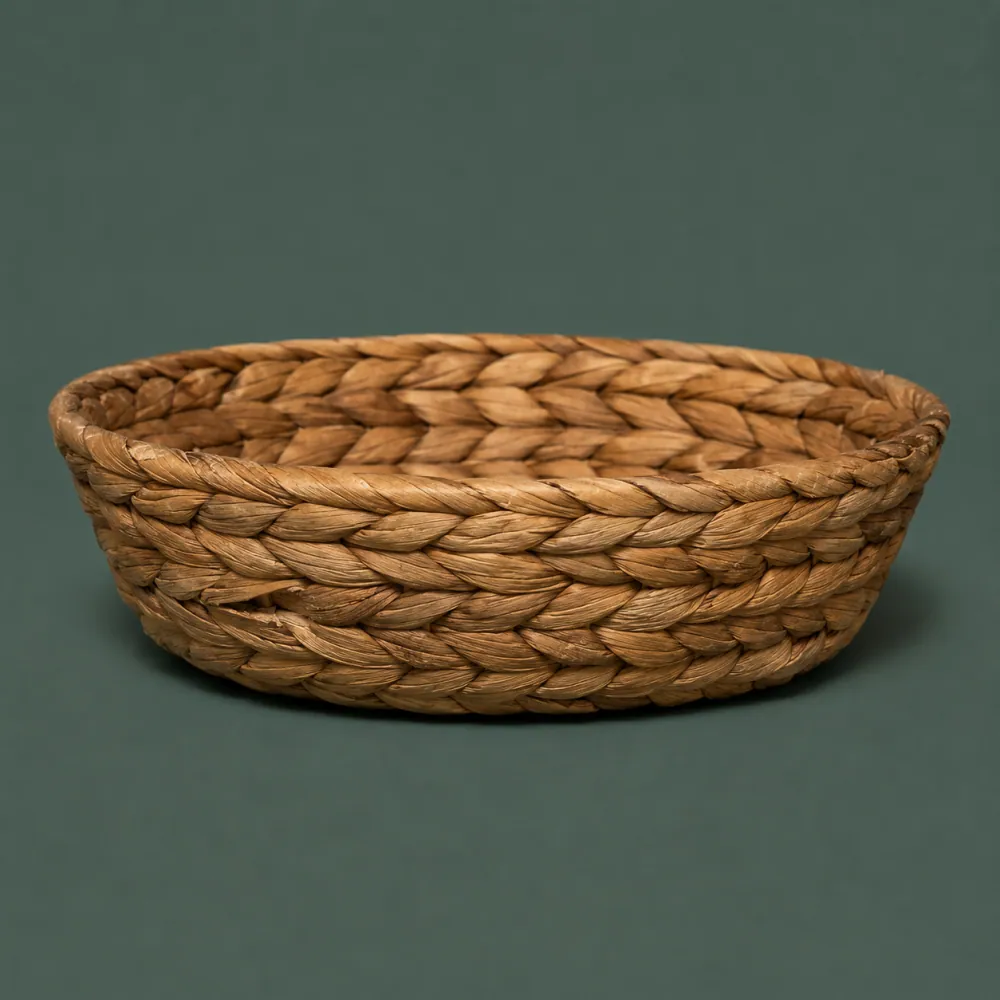 1 of 1
 75 in stock
ON-G-04processed fibre
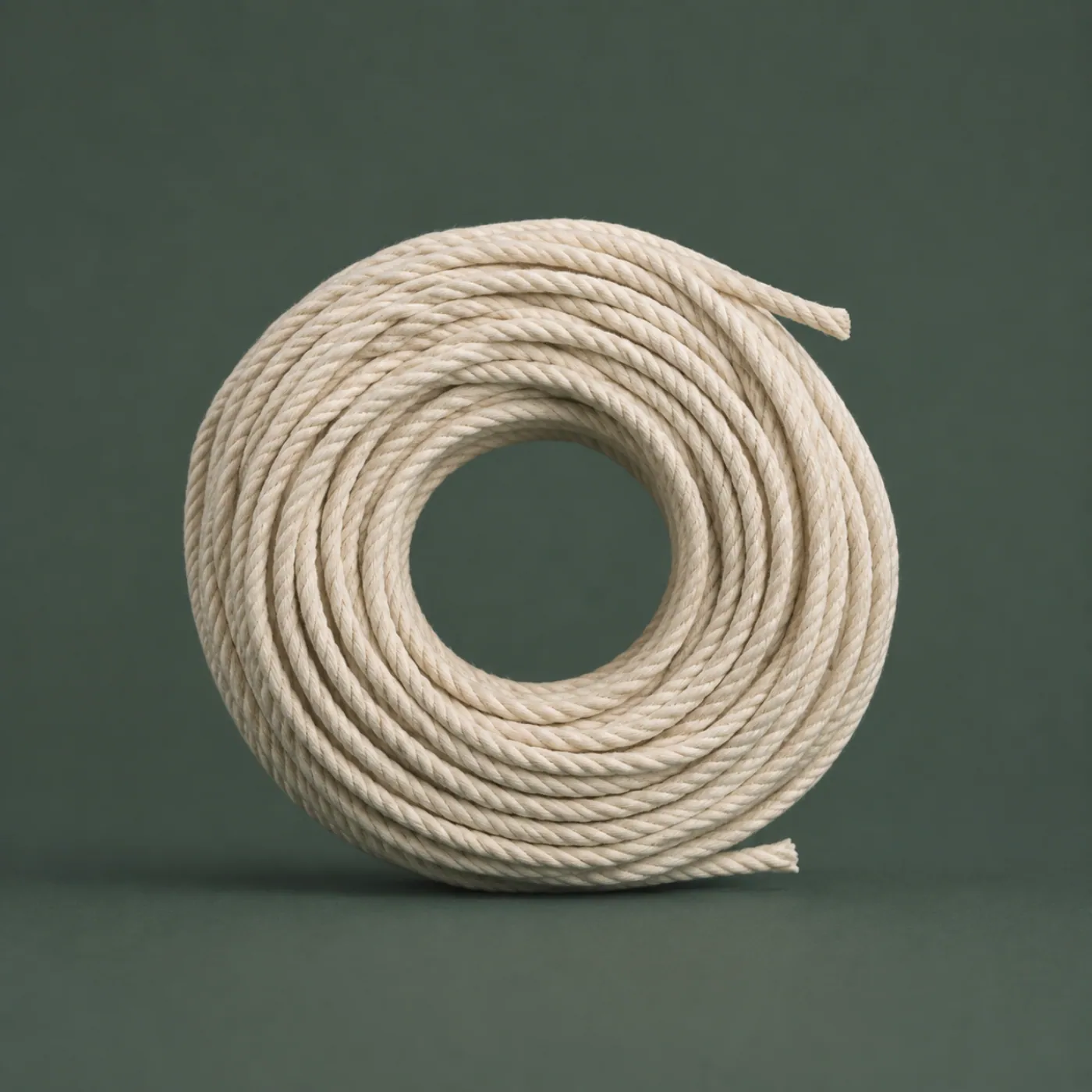
Repair Cord Cotton 20 m
Spun and plied cotton cord, undyed
Restocked item, no piece number
USD $22
All 72 pieces →
Dashed border and a stock number means a restocked care item, not a one-of-one piece.
You are looking at
the actual object
Not a render, not a stand-in, not the best one out of forty. The flaws stay in the photographs and are named in the text — where the strand broke, where the joint is, where the burr lifts.
What we will not retouch →Four claims we
will not make
Hong Kong’s Trade Descriptions Ordinance is criminal law, enforced by Customs. Loose words about hand work, about fibre that outlasts everything, or about what a border will do are not marketing here. Every one of these four is on a list the copy is checked against, and the site does not build if one of them appears in it.
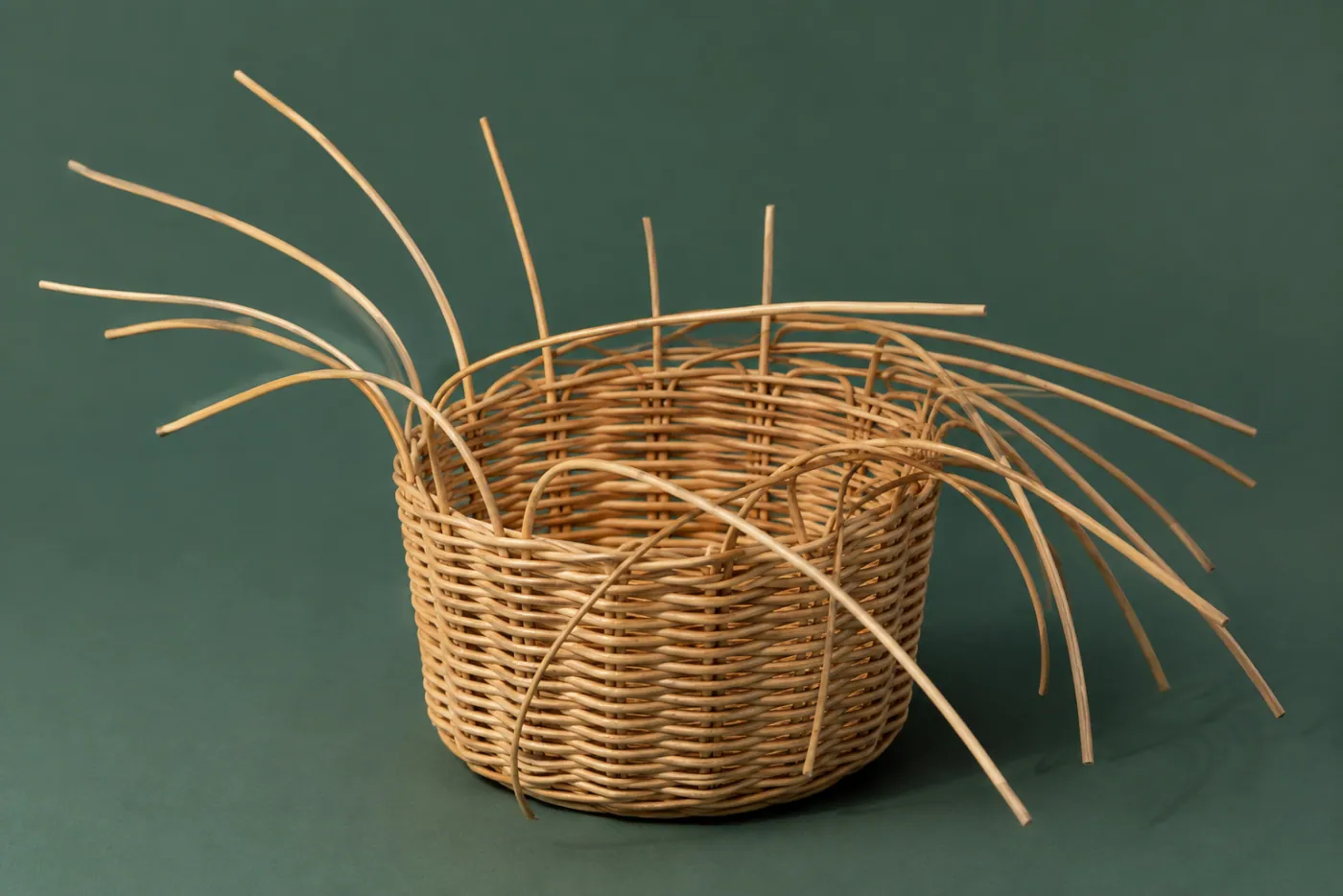
The claim that it is all hand work
Seven steps, each one named
Preparing the fibre, weaving, finishing the rim, dye, surface, hardware, base — we say which of those was hand work on each piece. On most pieces the fibre is machine-split. We say so.
Read it →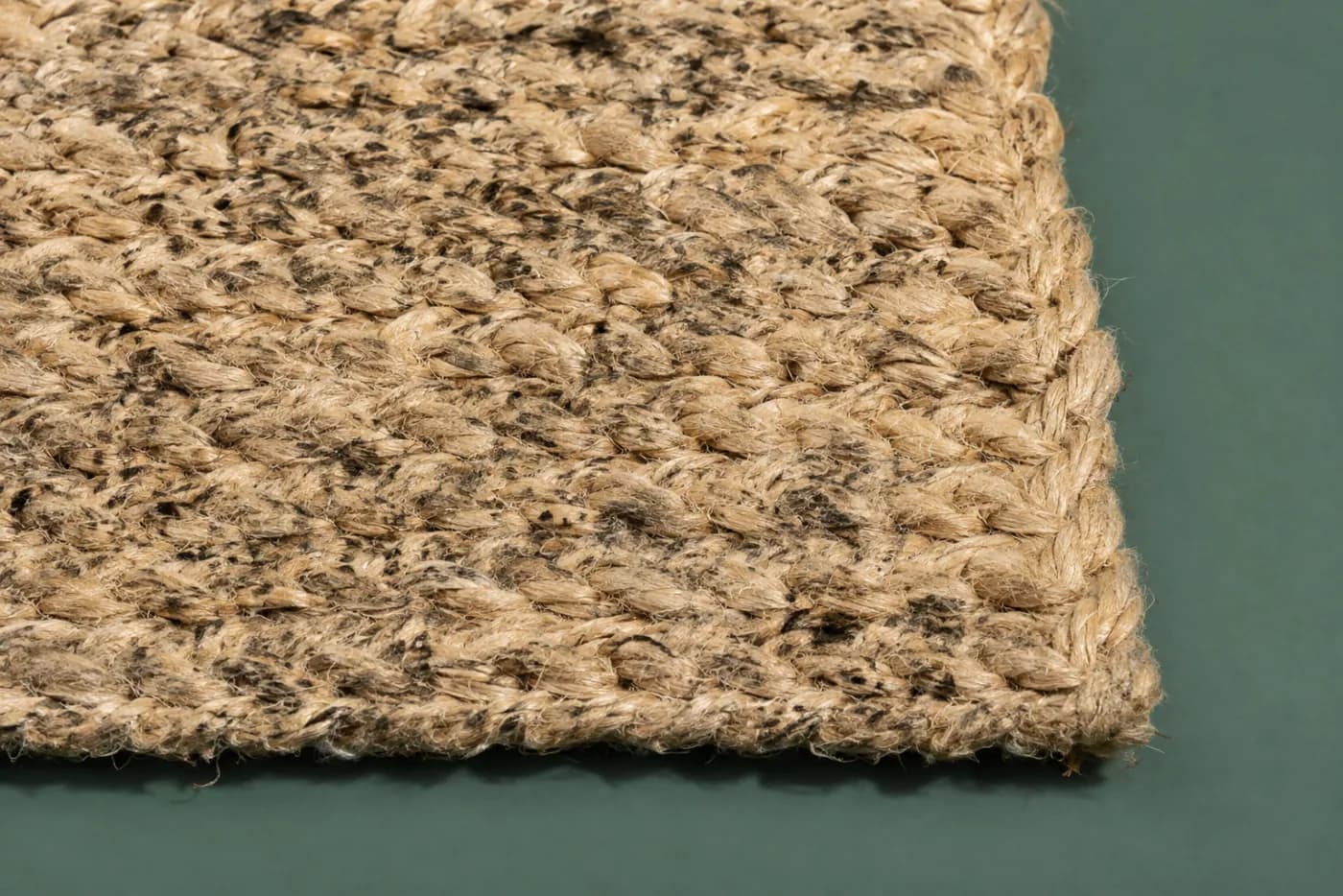
The claim that it resists mould
Above 75% humidity it grows mould
Plant fibre cracks in dry air, deforms under load, darkens in sunlight, grows mould in damp, and can be bored by insects. All six are on the page with what to do about each.
Read it →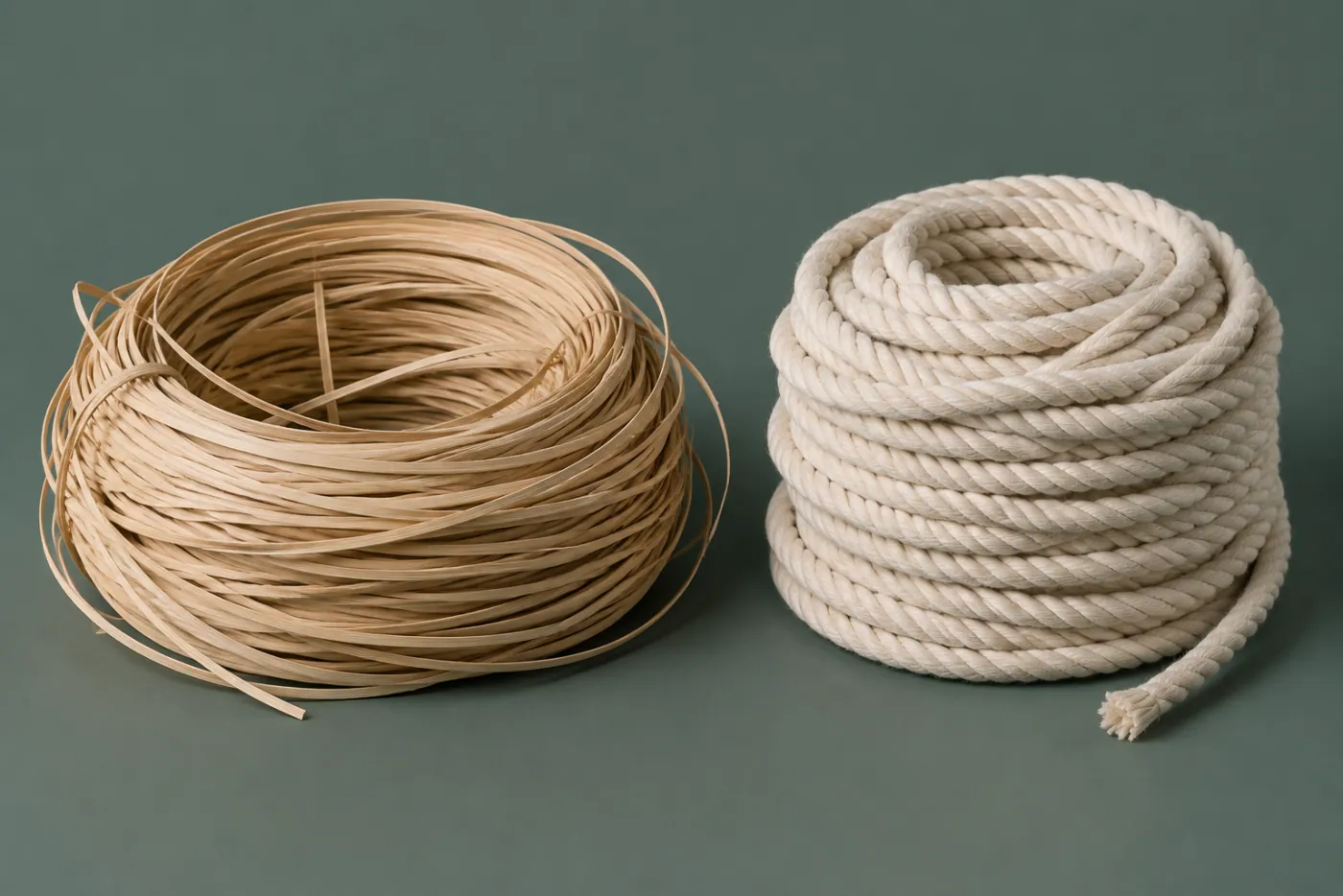
The claim that it goes anywhere
Not to Australia, not to New Zealand
For plant-fibre pieces. And we cannot promise any border will release a parcel — that decision belongs to that agency, and any charge it raises is billed to you.
Read it →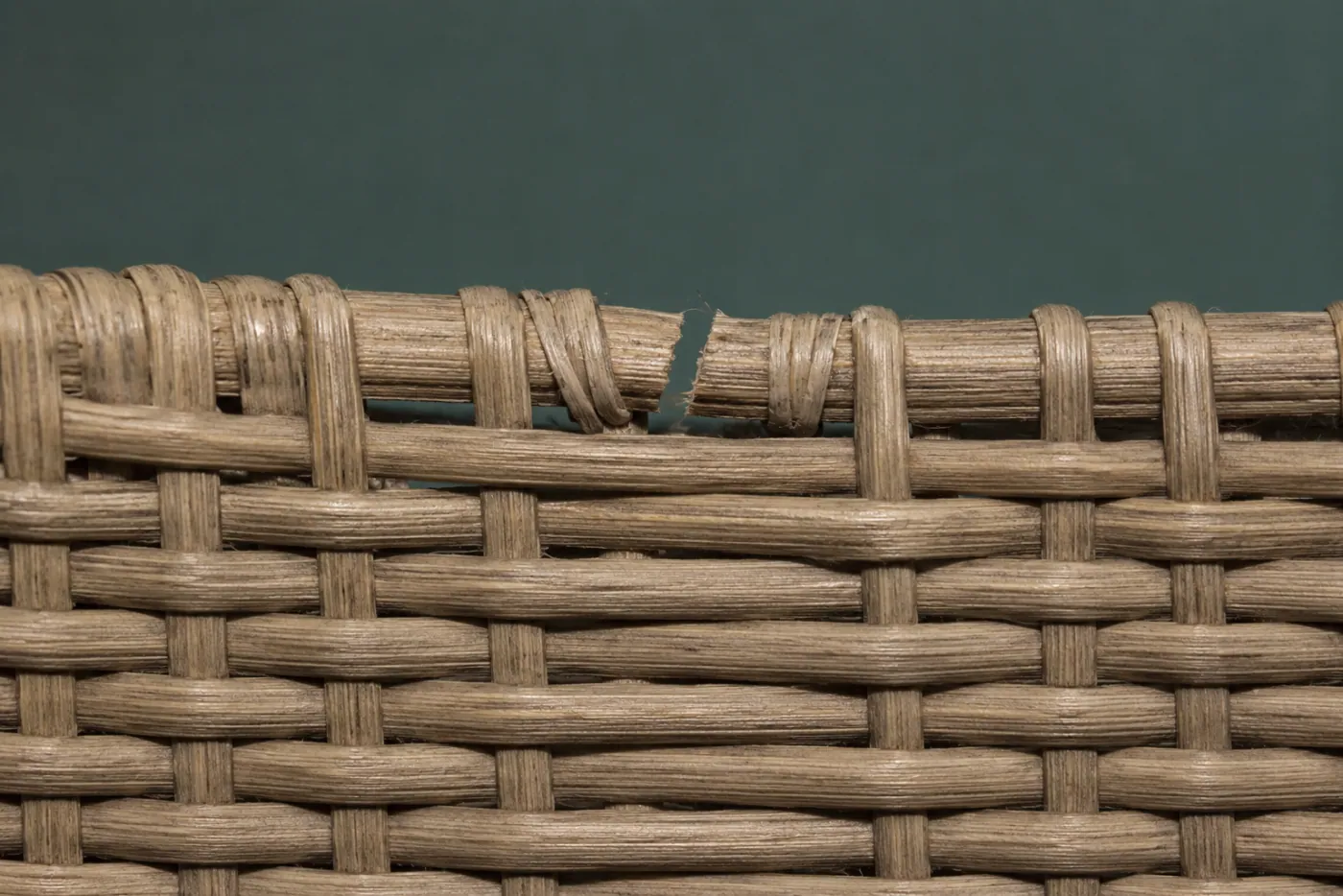
The line about small differences being normal
+4 mm at the mouth, 0 at the height
Three measured points per piece, plus where the weave starts, how the colour runs, and the flaw you can see in the photograph. The flaw field is never allowed to be empty.
Read it →The one line that is not one of one
Care and repair
Wax, repair cord, a humidity card, curved scissors. These are consumables, so they are made in batches, carry a stock figure, and can be bought again. They are drawn with a dashed border on the shelf so you can tell at a glance that they are not pieces.
All 8 care items →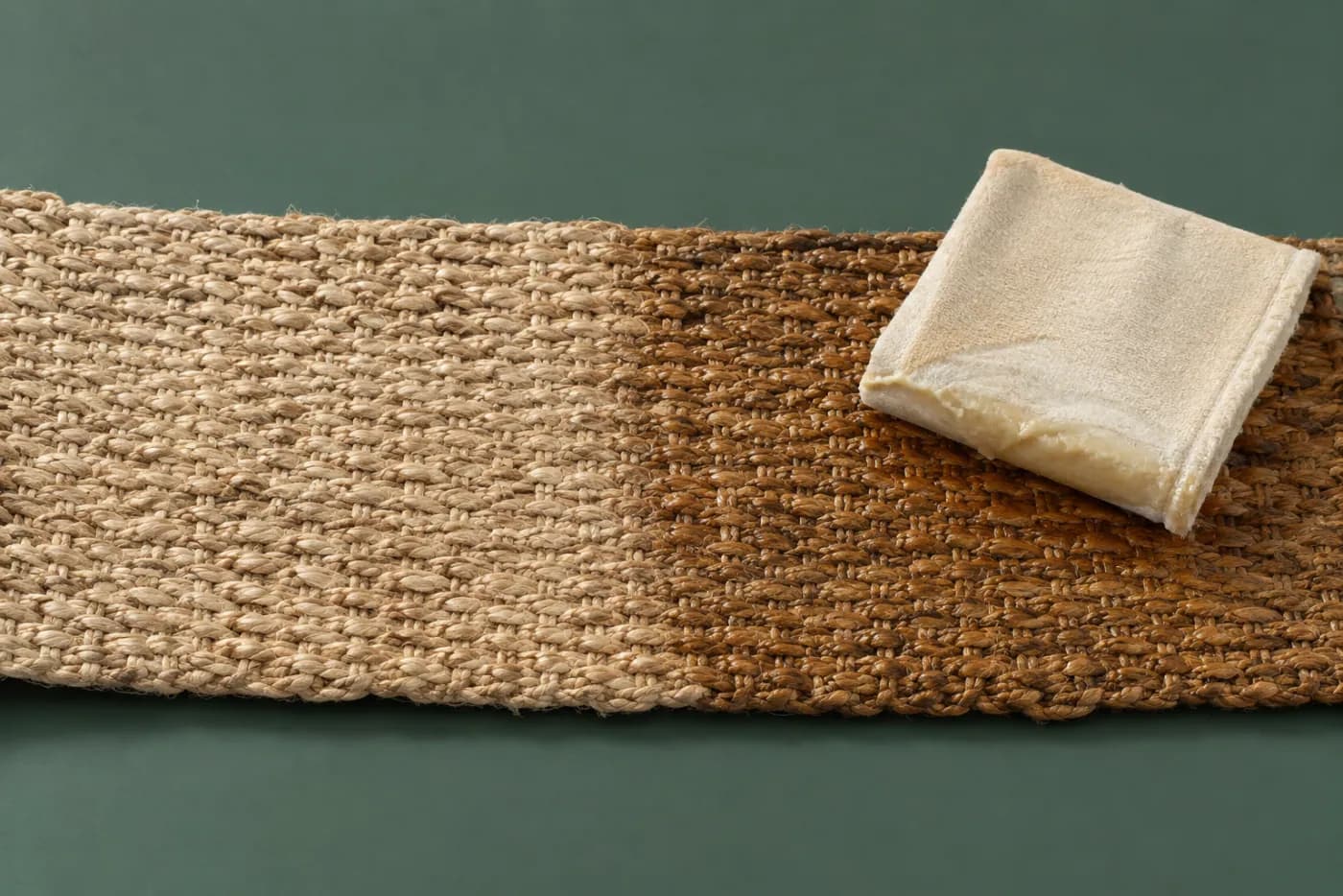
Read before you buy
Where we can send plant fibre
Country by country: what we send, what we do not, what paperwork travels with it, and what your own border agency may still do.
How we measure a piece
The instrument, the conditions, the three points, and why a piece further off the drawing does not cost less.
Which steps are hand work
Seven steps per piece, each marked hand or machine. No claim we cannot show you.
What the fibre does over time
Cracking, deforming, darkening, mould, insects, burrs — six things that will happen and what to do about each.
Delivery, duties and taxes
How long, how much, and who pays the import charges. Hong Kong charges no sales tax on this sale.
Returns and cancellation
Thirty days as our promise, plus the statutory right you may have where you live, and you get whichever is better.
Terms of sale and use
Who you are buying from, on what conditions, and what the Sale of Goods Ordinance gives you that we cannot take away.
Privacy and your data
What we collect, why, who it goes to, and how to see or correct it.